June 28, 2026
What Does a Postpartum Doula Do?
What does a postpartum doula do? Learn about feeding help, newborn care, emotional support, overnight shifts, costs, and how to find one near you.

A postpartum doula is a trained professional who comes to your home after your baby arrives and helps with feeding, newborn care, emotional recovery, and the practical work of keeping a household running when everything feels upside down. If you are wondering what does a postpartum doula do, the short answer is: whatever you need to get through the first weeks home with your baby. The longer answer depends on whether you hire daytime help, overnight support, or both.
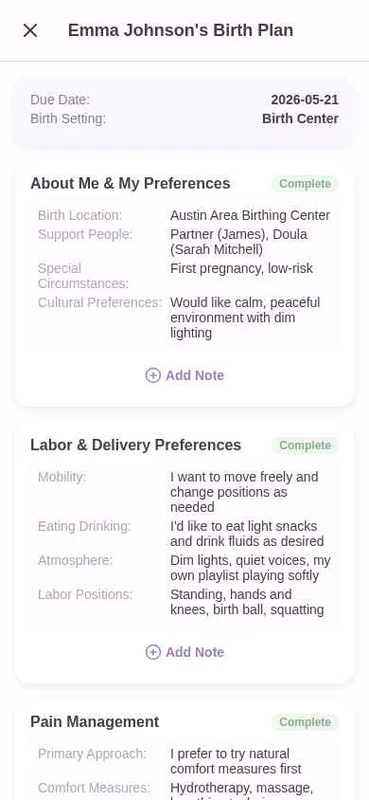
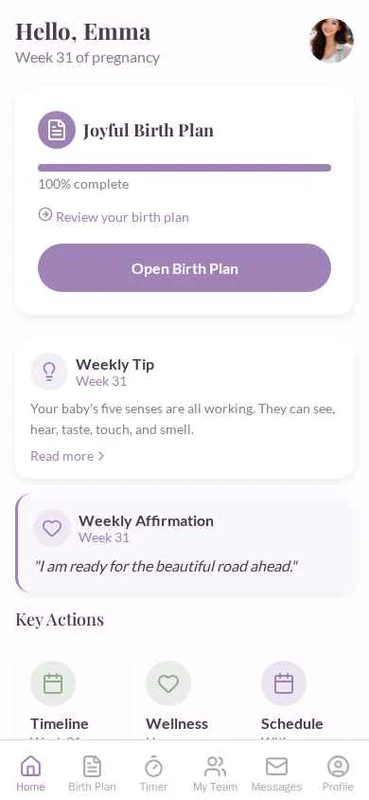
After supporting hundreds of families through their postpartum weeks, I can tell you that the moms who ask for help early are the ones who actually recover. Not the ones who try to do it all and crash at week three. If you are still building your birth plan, grab the Joyful Birth Plan template first, then come back here to think about postpartum support.
For a deeper overview of the role, our postpartum doula guide covers the basics. This post goes further into what a postpartum doula actually does hour by hour, how it compares to a night nurse, what it costs, and how to find one in your area.
What Does a Postpartum Doula Do in Your Home?
A postpartum doula provides non-medical support focused on your recovery and your family's adjustment after birth. They do not check your incision, take your vitals, or give medical advice. Instead, they handle the work that falls through the cracks when you are healing, feeding a newborn every two hours, and running on almost no sleep.
Here is what a typical daytime shift looks like:
- Feeding support: help with breastfeeding latch, pumping schedules, bottle feeding, or combo feeding. They troubleshoot painful feeds and help you feel confident in your feeding choices.
- Newborn care: diapering, swaddling, soothing techniques, bath time, cord care, reading your baby's cues. If it is your first baby, this is the stuff you did not know you did not know.
- Meal prep and hydration: light meals, snacks, and making sure you are drinking enough water. Some doulas batch-cook for the week.
- Light household tasks: laundry, dishes, tidying the nursery. Not deep cleaning, but enough to keep the chaos manageable.
- Emotional check-ins: watching for signs of postpartum anxiety or depression, listening without judgment, reminding you that what you are feeling is normal.
- Sibling support: helping older siblings adjust, keeping them occupied, or taking them to the park so you can nap.
One mom I worked with in Aurora, CO had her first baby after a 36-hour labor. By day five, she was crying at every feeding because the latch was painful and her milk had not fully come in. Her postpartum doula spent one afternoon adjusting her positioning, showing her a laid-back nursing hold, and making her a proper meal. By that evening, the pain was manageable and she had eaten three times that day instead of once. That single shift changed the trajectory of her entire postpartum recovery.
That is what a postpartum doula does. Not indulgence. Not luxury. Practical, hands-on help from someone who has been through it hundreds of times.
Postpartum Doula vs Night Nurse: What Is the Difference?
This is one of the most common questions I hear, and the answer matters because the two roles serve different needs.
A postpartum doula supports the whole family. They help with feeding, emotional recovery, sibling adjustment, light meal prep, and newborn care. They can work day shifts, overnight shifts, or both. Their training comes from organizations like DONA International or CAPPA, and their focus is on the family's overall well-being during the fourth trimester.
A night nurse (or night nanny) focuses specifically on overnight baby care so parents can sleep. They feed, soothe, and monitor the baby through the night. Many are RNs or LPNs with specialized newborn care training. They typically do not provide feeding support for breastfeeding parents during the day, emotional check-ins, or household help.
Here is a quick comparison:
| Feature | Postpartum Doula | Night Nurse |
|---|---|---|
| Feeding support | Yes (breast, bottle, combo) | Yes (overnight feeds) |
| Emotional support | Yes | Limited |
| Daytime help | Yes | Usually no |
| Overnight help | Available | Primary focus |
| Sibling support | Yes | Rarely |
| Meal prep | Yes | No |
| Medical training | Non-medical | Often RN or LPN |
| Typical cost | $25 to $80/hour | $200 to $450/night |
A mom in Seattle, WA told me she debated between the two for weeks. She had a straightforward vaginal birth and a supportive partner, so she thought a night nurse would be enough. But at her two-week checkup, she was struggling emotionally and had not eaten a real meal in days. She ended up hiring a postpartum doula for two daytime shifts per week and kept the night nurse for overnights. The combination gave her sleep at night and actual support during the day.
If you can only choose one, think about when you struggle most. If nights are brutal, a night nurse might be the priority. If daytime is where you are drowning, a postpartum doula is the better fit. Many families use both, and that is not overkill. It is smart planning.
How Postpartum Doula Services Help With Breastfeeding
Breastfeeding is one of the hardest things about the postpartum period, and it is where postpartum doulas earn their keep. Whether you are breastfeeding, pumping, combo feeding, or exclusively pumping, a doula can help you figure out what works for your body and your baby.
A postpartum doula can help with:
- Latch positioning: showing you different holds (cradle, football, laid-back, side-lying) until you find one that does not hurt
- Pain troubleshooting: identifying whether pain is from a shallow latch, tongue tie, or positioning, and helping you know when to see a lactation consultant
- Pumping schedules: building a routine that fits your life if you are returning to work or exclusively pumping
- Milk supply concerns: helping you track wet diapers, feedings, and weight gain signs so you know your baby is getting enough
- Bottle feeding support: paced bottle feeding, choosing the right nipple flow, and helping you feel confident even if breastfeeding is not your path
- Combo feeding plans: balancing breast and bottle without guilt, figuring out schedules that work
A first-time mom I supported in Chicago, IL had a planned C-section and was determined to breastfeed. By week two, her nipples were cracked and she was ready to quit. Her postpartum doula spent three hours with her one afternoon, adjusting the latch, showing her how to use a nipple shield temporarily, and making her a sandwich while she nursed. The doula did not fix everything in one visit, but she gave this mom a plan and the confidence to keep going one more day. By week four, breastfeeding was comfortable and mom was enjoying it instead of dreading it.
The key thing to understand is that a postpartum doula is not a lactation consultant. If you have a true medical breastfeeding issue (tongue tie revision, mastitis, low supply despite frequent feeding), you need an IBCLC. But for the day-to-day mechanics, the encouragement, and the practical help, a postpartum doula is often the difference between pushing through and giving up. You can learn more about the broader benefits of doula support in our benefits of a doula guide.
What Does a Postpartum Doula Do During Day vs Overnight Shifts?
Postpartum doulas work in two main formats, and the support looks very different depending on which one you book.
Daytime shifts typically run 4 to 8 hours. This is when the doula comes to your home and does the hands-on work: feeding support, newborn care, meal prep, laundry, sibling help, and emotional check-ins. Daytime shifts are ideal for the first two weeks when you are healing and learning your baby. If you had a C-section, daytime help is especially important because you are physically limited in what you can lift and do.
Overnight shifts typically run 8 to 10 hours, usually 10 PM to 6 AM or similar. The doula handles all overnight feedings (bringing the baby to you if you are breastfeeding, or bottle feeding if you prefer), diaper changes, soothing, and settling the baby back to sleep. You sleep. That is the whole point. Overnight doulas also do light prep for the next day, like sterilizing bottles or folding baby laundry.
A mom in Atlanta, GA had twins and booked overnight shifts three nights per week for the first six weeks. Her partner had returned to work at week two, and without those overnight shifts, she would have been getting two hours of fragmented sleep per night. With the doula handling the overnights three nights a week, she got a solid six to eight hours of sleep on those nights. That was enough to keep her functional and emotionally stable during the hardest stretch.
Most families start with a mix. Two to three daytime shifts per week for the first two weeks, then transition to overnight shifts as the mother recovers physically but still needs sleep support. There is no right answer. The right plan is the one that fits your budget, your support system, and your baby's temperament.
How Much Does a Postpartum Doula Cost?
Postpartum doula costs vary by location, experience, and shift type. Here are the ranges I see across the country:
- Daytime shifts: $25 to $80 per hour, with most falling in the $30 to $50 range
- Overnight shifts: $200 to $450 per night (8 to 10 hours)
- Package rates: Some doulas offer packages like 20 hours for $600 to $1,200, depending on location
- Minimum shift: Most doulas require a 3 to 4 hour minimum for daytime shifts
Location matters a lot. In Austin, TX, expect $30 to $50 per hour for daytime support. In New York, NY, rates are closer to $50 to $80 per hour. In Nashville, TN, you might find experienced doulas at $25 to $40 per hour.
For a full breakdown of costs, including how package rates work and what to budget for the first six weeks, our postpartum doula cost guide has detailed numbers by city and shift type.
A practical budget for most families looks like this:
- Weeks 1 to 2: 2 to 3 daytime shifts per week (12 to 24 hours total) = $360 to $1,200
- Weeks 3 to 6: 1 to 2 overnight shifts per week = $200 to $900 per week
- Total for 6 weeks: $1,500 to $5,000, depending on your location and how much help you book
That sounds like a lot, and it is. But compare it to the cost of a postpartum mental health crisis, a hospital readmission, or six weeks of misery. Postpartum support is an investment in your recovery, your mental health, and your baby's well-being. For families in Texas or other states where Medicaid covers doula services, the cost may be partially or fully covered. More on that below.
When Should You Hire a Postpartum Doula?
The best time to book a postpartum doula is during your third trimester, ideally between weeks 28 and 34. Here is why: experienced doulas book up fast, especially in larger cities. If you wait until after the baby arrives, you may end up on a waitlist or working with someone who is less experienced.
You should especially consider booking early if any of these apply:
- First baby: you have never done this before and the learning curve is steep
- C-section planned or likely: recovery is longer and you are physically limited for 6 weeks
- Multiples: twins or more means you need extra hands, period
- No local family: if your parents and in-laws are not nearby, a doula fills that gap
- History of postpartum depression or anxiety: proactive support reduces recurrence risk
- Partner returning to work quickly: if your partner gets limited paternity leave, a doula covers the gap
- NICU stay anticipated: if your baby may need NICU time, you will need extra emotional and practical support
A mom I supported in Philadelphia, PA was a single parent by choice with no family in the area. She booked a postpartum doula at 30 weeks, and by the time her baby arrived, she had a plan in place for 15 hours of daytime help per week for the first four weeks. She told me later that without that support, she does not know how she would have gotten through the first month. Not because she could not care for her baby, but because she needed someone to care for her.
That is the thing people miss about postpartum doulas. They are not there because you cannot handle it. They are there so you do not have to handle it alone.
Does Insurance or Medicaid Cover Postpartum Doulas?
The short answer is: sometimes, and it depends on where you live.
Medicaid coverage is expanding. As of 2026, several states have approved Medicaid coverage for doula services, including both birth and postpartum doulas. States with active or pending coverage include California, Texas, Florida, and others. If you live in a Medicaid-covered state, your postpartum doula services may be partially or fully covered.
For the full list of states and coverage details, check our Medicaid doula coverage guide. We update it as new states come online.
Private insurance is hit or miss. Most plans do not cover postpartum doulas directly because they are classified as non-medical support. However, some plans will reimburse if your provider writes a prescription or letter of medical necessity, especially if you have a history of postpartum mental health issues or a high-risk pregnancy. It is worth calling your insurance company to ask.
HSA and FSA funds can often be used for postpartum doula services if you have a letter of medical necessity from your provider. Check with your plan administrator.
A mom in Los Angeles, CA used her FSA to cover $2,000 of postpartum doula costs after her OB wrote a letter recommending postpartum support due to her history of anxiety. It took some paperwork, but it saved her a significant amount. If you have an HSA or FSA, ask your provider about this option. You can also explore insurance coverage for doulas for more details on navigating reimbursement.
For families in California, Medicaid coverage for doulas is active, which means you may be able to access postpartum support at no cost. Check with your local Medicaid office for a list of approved providers.
How to Find a Postpartum Doula Near You
Finding the right postpartum doula takes a little legwork, but it is worth the effort. Here is my step-by-step process:
- Start with local doula directories: DONA International and CAPPA both have online directories where you can search by location and certification. This is the best starting point for finding trained, certified doulas.
- Ask your OB or midwife: providers often have a list of doulas they trust and recommend. If your provider has worked with a doula before and had good feedback, that is a strong signal.
- Check local parenting groups: Facebook groups, hospital birthing classes, and local parenting centers often have recommendations from other moms who have used specific doulas.
- Interview at least two or three: a phone or video consult tells you a lot about whether a doula's personality and approach fit your family. Ask about their training, experience with your specific needs (breastfeeding, C-section recovery, multiples), and availability around your due date.
- Check references: any experienced doula should be able to provide references from past clients. Call them. Ask what the doula was like at 3 AM when the baby was screaming.
- Book early: if you find someone you click with, book them. Good doulas get snapped up fast, especially in bigger cities.
When you interview a postpartum doula, ask these questions:
- What certification do you hold, and how many families have you supported?
- What does a typical daytime shift look like for you?
- Do you have experience with my specific needs, such as breastfeeding struggles, C-section recovery, or twins?
- How do you handle situations where you spot signs of postpartum depression?
- What is your availability around my due date, and what happens if you are unavailable when I go into labor?
- What are your rates, and do you offer package pricing?
For more interview questions, our doula interview questions guide has a full list with explanations of what each answer should tell you.
A mom I worked with in Austin, TX interviewed three doulas before choosing one. The first was highly credentialed but felt clinical. The second was warm but had never supported a C-section recovery. The third was experienced, warm, and had specific training in postpartum mental health. That doula ended up catching early signs of postpartum anxiety at week three and helped the mom connect with a therapist before it escalated. The interview process was not overkill. It was how this mom found the right person at the right time.
Postpartum Doula FAQ
What does a postpartum doula do that a partner or family member cannot?
A postpartum doula brings professional training, hundreds of hours of experience, and an objective perspective that family members usually cannot provide. Partners are also sleep-deprived and adjusting. Family members may have outdated advice or emotional baggage. A doula gives you evidence-based support, practical help without judgment, and the ability to say "I need a break" without guilt. They are trained to spot early signs of postpartum mental health issues that family members may miss or dismiss.
How many hours of postpartum doula support do I need?
Most families book 8 to 20 hours per week for the first 2 to 6 weeks. Some start with a few overnight shifts and add more as needed. For first-time moms, I recommend at least 2 daytime shifts per week for the first two weeks. For C-section recovery, plan for 3 shifts per week for the first three weeks. There is no right amount. Start with what you can afford and adjust based on how you are doing.
Does a postpartum doula help with breastfeeding if I am also seeing a lactation consultant?
Yes. A lactation consultant handles the medical and clinical side of breastfeeding (tongue tie assessments, supply issues, mastitis). A postpartum doula handles the day-to-day mechanics and emotional support: positioning, latch adjustments, pacing, encouragement, and making sure you are eating and drinking while you nurse. They complement each other. Many families use both in the first two weeks.
Can I hire a postpartum doula if I had a vaginal birth with no complications?
Absolutely. Postpartum doulas are not just for C-sections or high-risk births. Even a straightforward vaginal birth leaves you recovering physically, sleep-deprived, and learning to care for a newborn. A doula helps with the adjustment regardless of how your birth went. Some of the families I have supported with the most need had completely uncomplicated births but no local support system.
Is a postpartum doula worth it if I have family nearby?
It depends on your family dynamic. If your mother or mother-in-law is helpful, supportive, and respects your parenting choices, you may need fewer doula hours. But family can also add stress, especially if they have strong opinions about feeding, sleeping, or how you should be recovering. A postpartum doula is a neutral professional who follows your lead. Many families use a doula for the first two weeks and transition to family help after that.
What is the difference between a postpartum doula and a birth doula?
A birth doula supports you during labor and delivery. A postpartum doula supports you after the baby arrives. Some doulas are trained in both, but they are different certifications and different skill sets. If you want continuous support from pregnancy through the postpartum period, you can hire both, or look for a doula who is dual-certified. Learn more in our what is a doula guide.
If you are planning your postpartum support, start with your Joyful Birth Plan. It includes a postpartum preferences section so you can think through what kind of help you want before the baby arrives. The families who plan ahead are the ones who actually get the support they need, instead of scrambling in week two when everything feels overwhelming.
Written by Shelbi Kohler